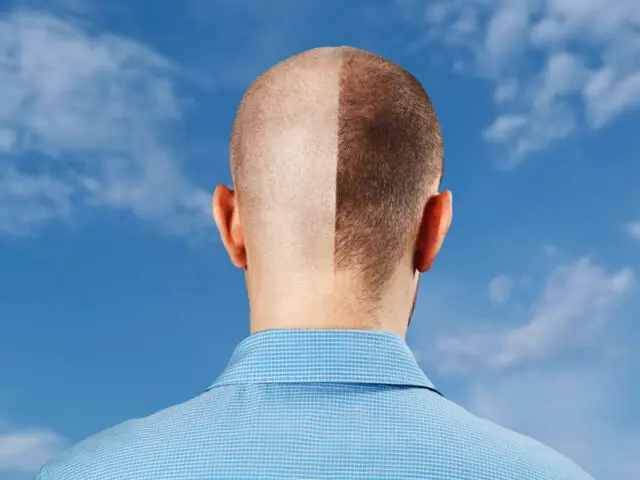


Eating a balanced, nutrient-rich diet supports not only overall health but also healthy, strong hair.
While genetics influence hair loss—such as male pattern baldness—what you eat plays an important role in maintaining hair density and strength. Nutritional deficiencies can contribute to hair thinning or shedding, but addressing them through diet or supplements can help prevent further loss and support hair growth.
Key Nutritional Deficiencies That Affect Hair Health

Protein Deficiency
Protein is vital for healthy hair because hair follicles are mostly made of protein. Without enough, hair can become weak, brittle, and prone to thinning. Sources of protein include lean meats, fish, eggs, dairy, beans, and legumes. Adult protein needs vary, but a general guideline is around 0.75 grams per kilogram of body weight per day.
Iron Deficiency
Iron is needed to produce haemoglobin, which carries oxygen around the body. Low iron can reduce oxygen delivery to hair follicles, impacting growth and potentially leading to thinning. Iron-rich foods include spinach, lentils, beans, lean meats, and fortified cereals. Women, particularly during pregnancy and menstruation, are more prone to iron deficiency.
Vitamin D Deficiency
Vitamin D supports the normal hair growth cycle. Low levels can cause hair to enter the shedding phase prematurely, resulting in thinning. Sunlight is a natural source of vitamin D, but from October to March, supplementation or dietary intake (oily fish, red meat, liver, fortified foods) may be necessary.
Biotin (Vitamin B7) Deficiency
Biotin is essential for keratin production, which forms the structure of hair. A deficiency can lead to brittle, weak hair and, in some cases, hair loss. Foods rich in biotin include eggs, nuts, sunflower seeds, salmon, and sweet potatoes.
Zinc Deficiency
Zinc is crucial for cell growth and repair, including in hair follicles. A lack of zinc can slow hair growth and contribute to hair loss, including conditions like telogen effluvium. Good dietary sources include shellfish, beef, lamb, beans, pumpkin seeds, eggs, and oats. Men typically need around 9.5 mg per day, and women about 7 mg. Zinc is absorbed more efficiently from animal products, so vegetarians and vegans may need higher intake.
How to Recognise a Nutritional Deficiency
Nutritional deficiencies can show up in a variety of ways, depending on the nutrient your body is lacking. Common signs include:
-
Fatigue or low energy
-
Weakness or muscle loss
-
Hair thinning or shedding
-
Changes to skin, nails, or hair texture
The most reliable way to confirm a deficiency is through a blood test, which can help identify which nutrients are low and guide the most effective treatment plan.
Preventing Nutritional Deficiencies
A balanced lifestyle is key to preventing deficiencies. Focus on:
-
Eating a varied, nutrient-rich diet including fruits, vegetables, whole grains, lean proteins, and dairy
-
Limiting processed and sugary foods
-
Getting safe sun exposure for vitamin D
-
Avoiding smoking and limiting alcohol
If you’re concerned about a specific nutrient, consulting a healthcare professional can help you determine whether dietary changes or supplements are necessary.
Can Too Many Supplements Cause Hair Loss?
While vitamins and minerals are essential, taking excessive amounts can sometimes have unintended effects, including hair thinning. For example, high doses of iron can increase oxidative stress, which may damage cells, including hair follicles.
The best approach is to supplement only what you need and aim for balance, ideally guided by blood tests or professional advice.
Other Common Causes of Hair Loss
Hair loss is rarely caused by nutrient deficiencies alone. Other common factors include:
-
Genetics – Pattern baldness (androgenetic alopecia) is hereditary and affects both men and women.
-
Hormonal changes – Pregnancy, menopause, or other hormonal shifts can temporarily disrupt hair growth.
-
Medical conditions – Thyroid disorders, autoimmune diseases, and scalp conditions like alopecia areata can contribute to hair thinning.
-
Medications – Some drugs, including chemotherapy treatments, blood thinners, and certain antidepressants, list hair loss as a side effect.
-
Stress – High stress can trigger telogen effluvium, a condition where hair follicles prematurely enter the resting phase.
-
Hairstyles – Traction alopecia occurs when hair is consistently pulled tight, such as with braids, ponytails, or extensions.
Transform Your Hair with Berkeley Hair Clinic
Struggling with hair loss? At Berkeley Hair Clinic, our expert team offers personalised hair restoration solutions—both surgical and non-surgical—designed to deliver natural, long-lasting results. From FUE and FUT hair transplants to beard, eyebrow, and female hair restoration, we tailor every treatment to your unique needs.
With over a decade of experience and a reputation for precision and care, our specialists, led by Dr Kieran Dayah, guide you through every step of your hair restoration journey.
Book a free consultation today and take the first step toward regaining confidence with a fuller, natural-looking head of hair.