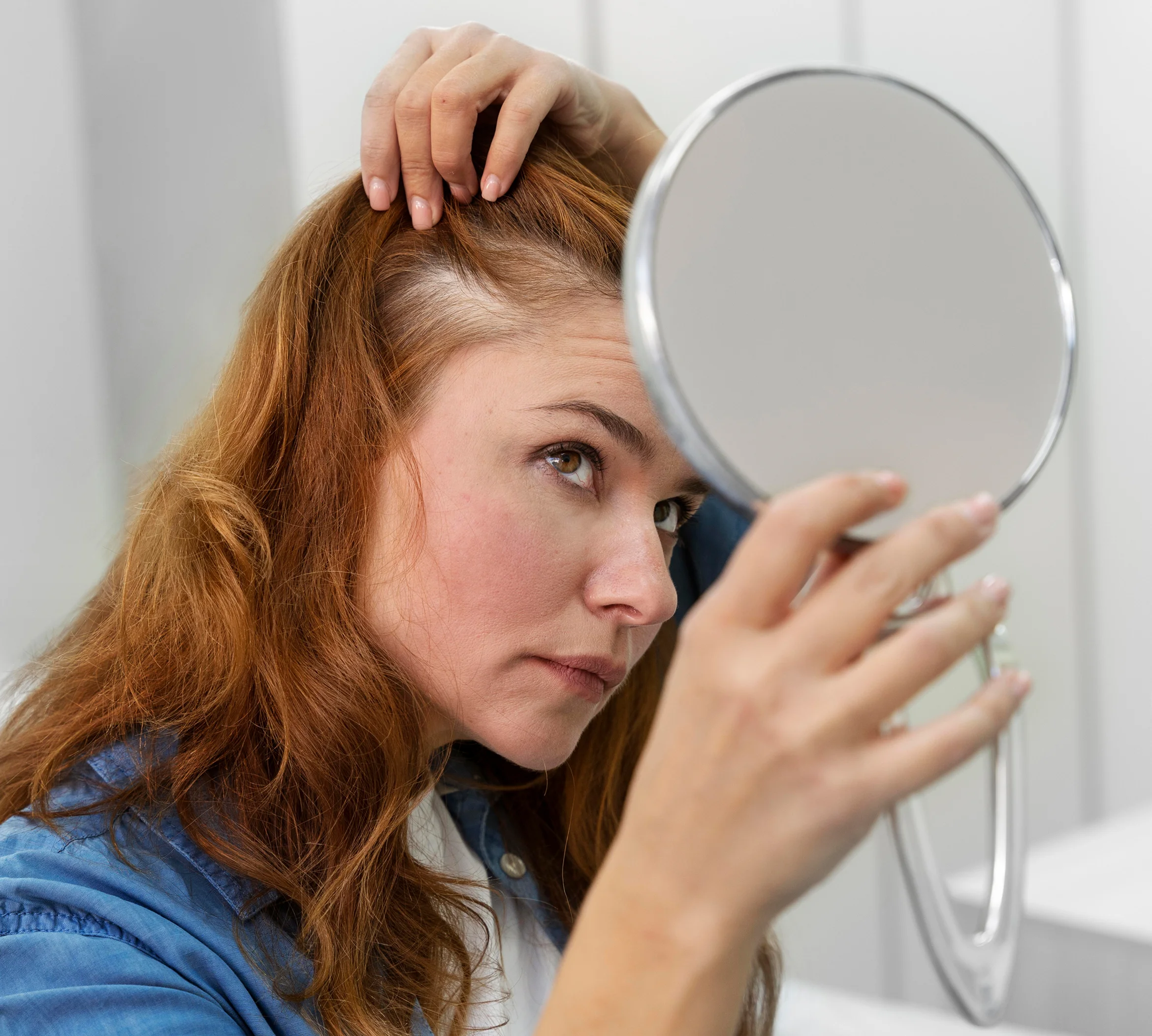
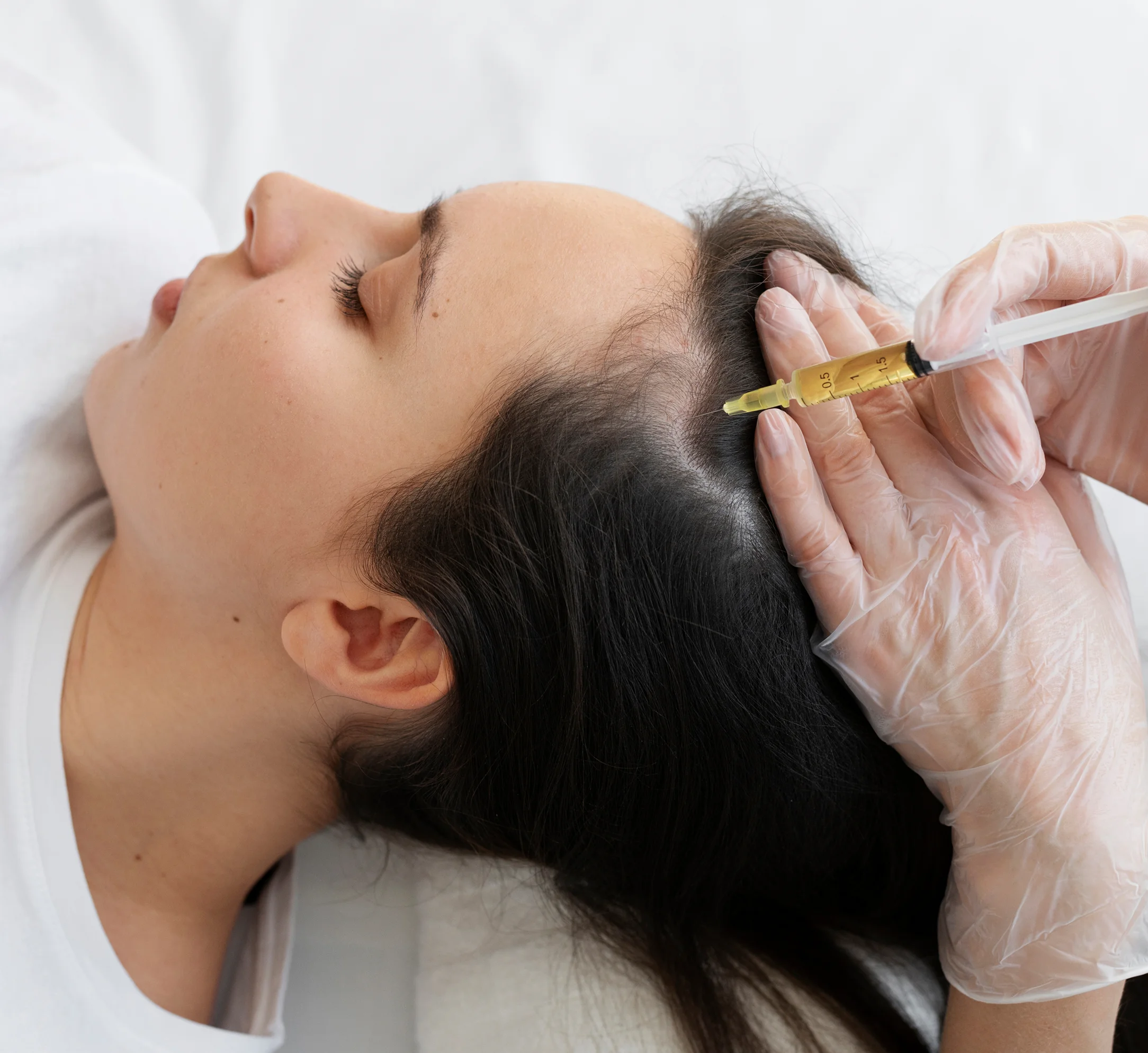
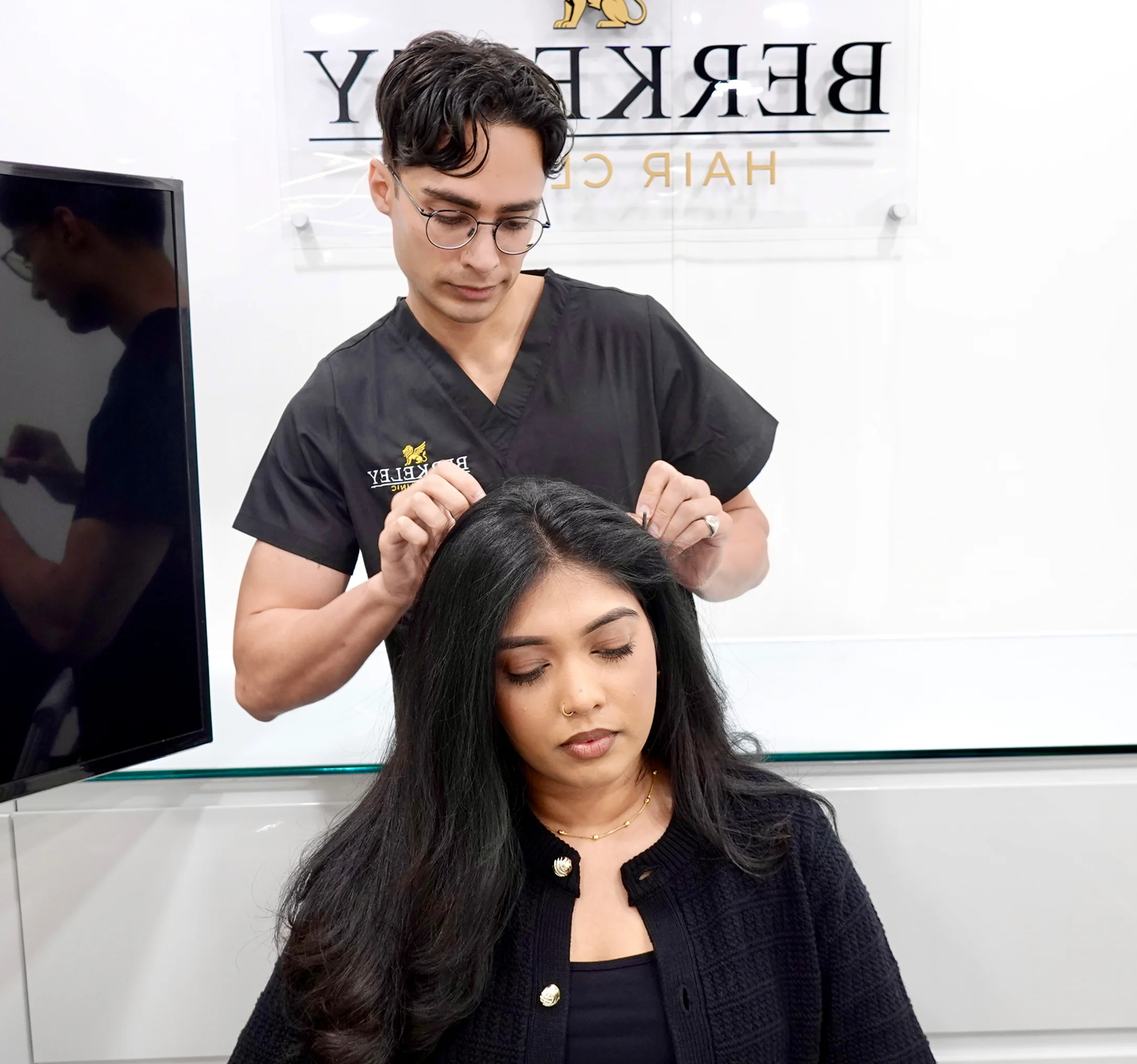
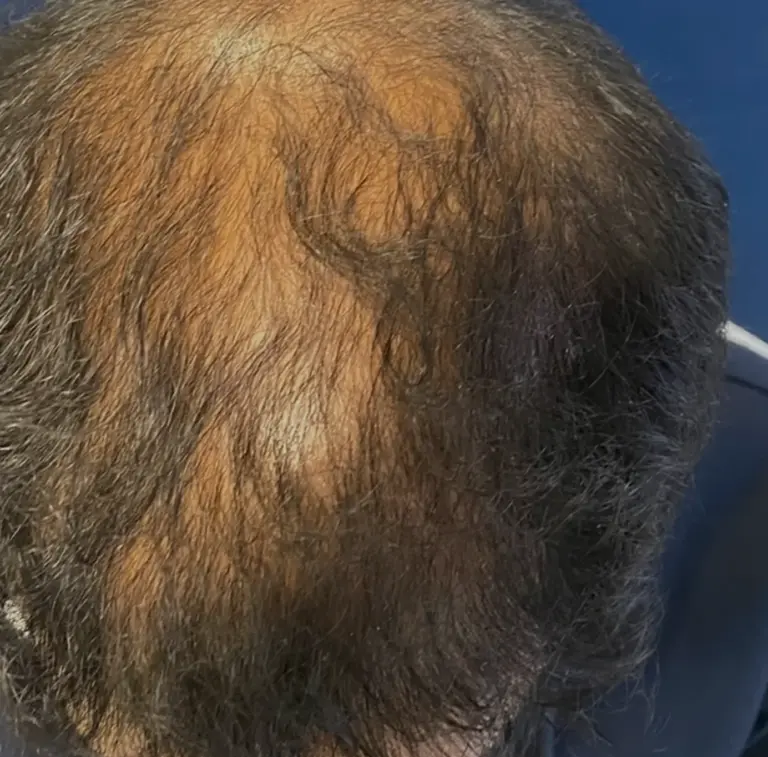
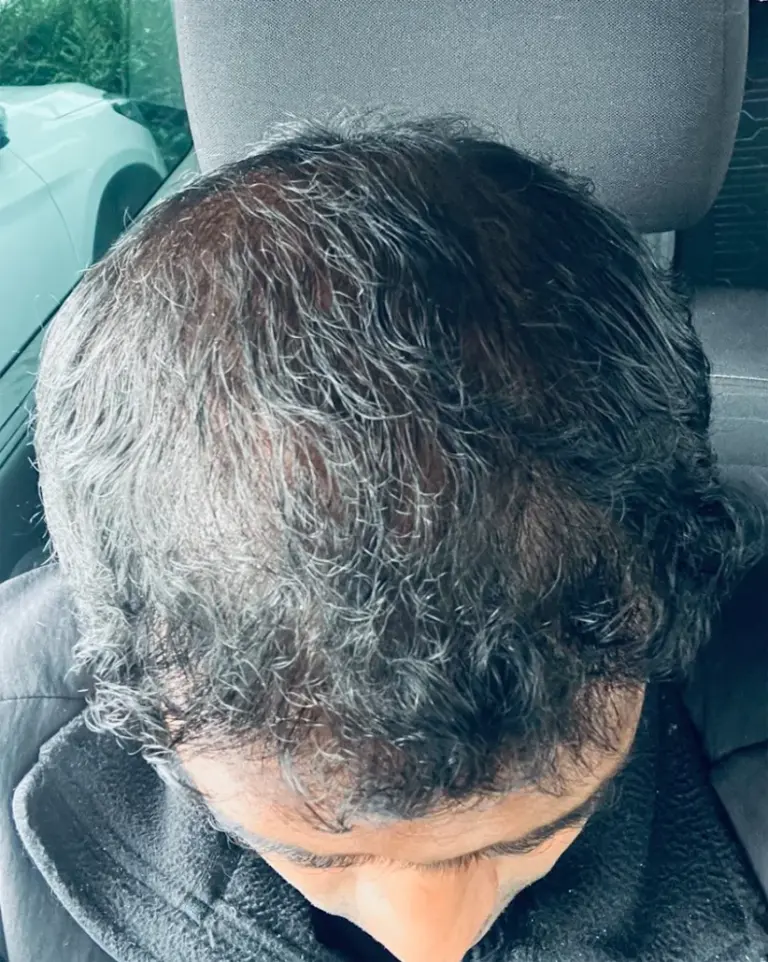
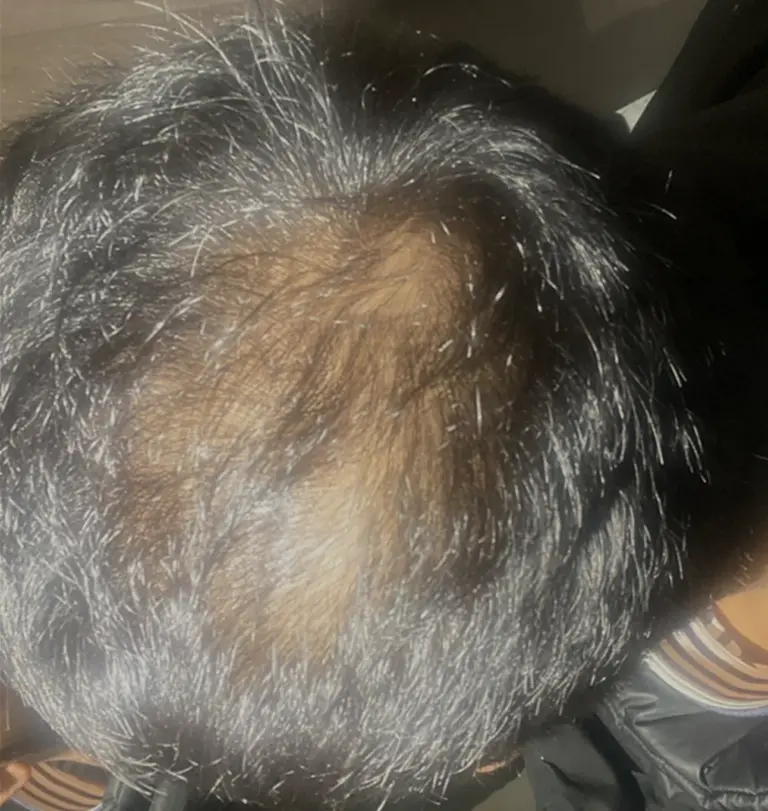
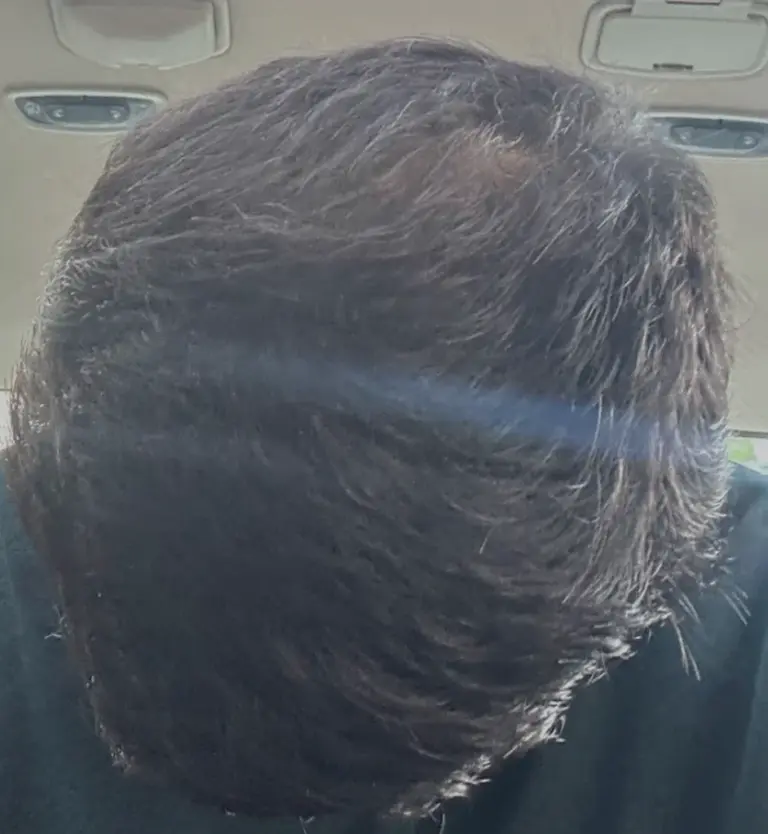
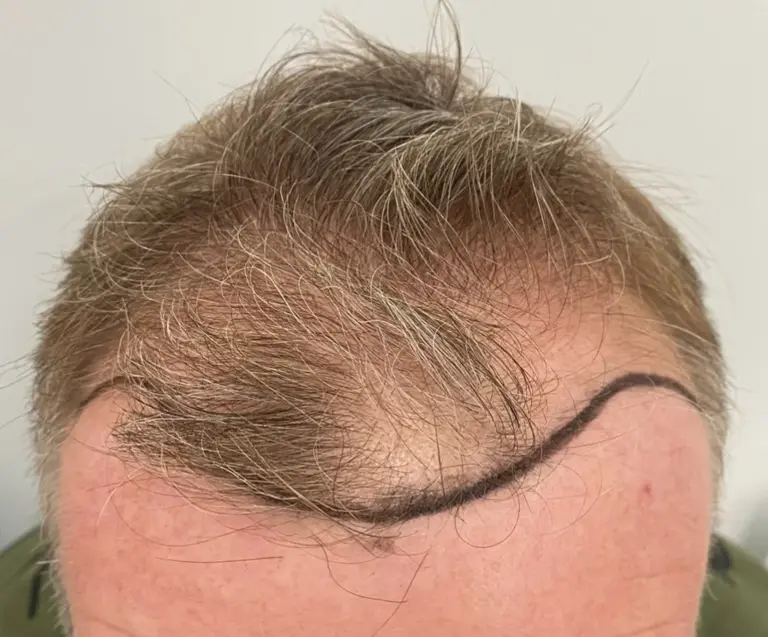
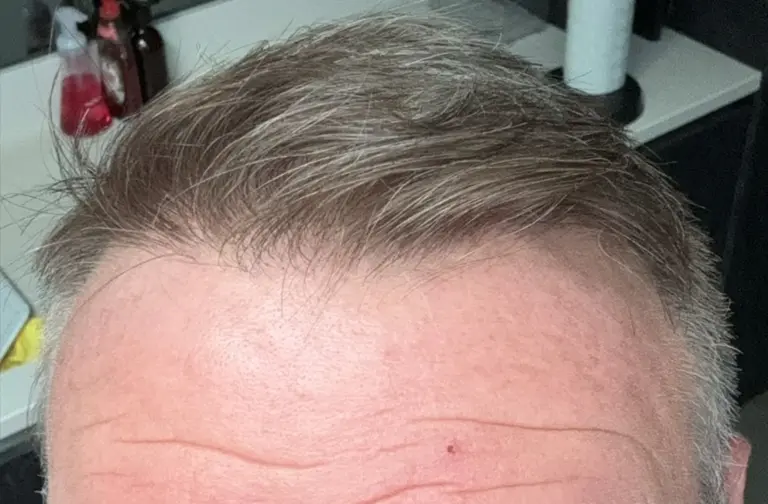
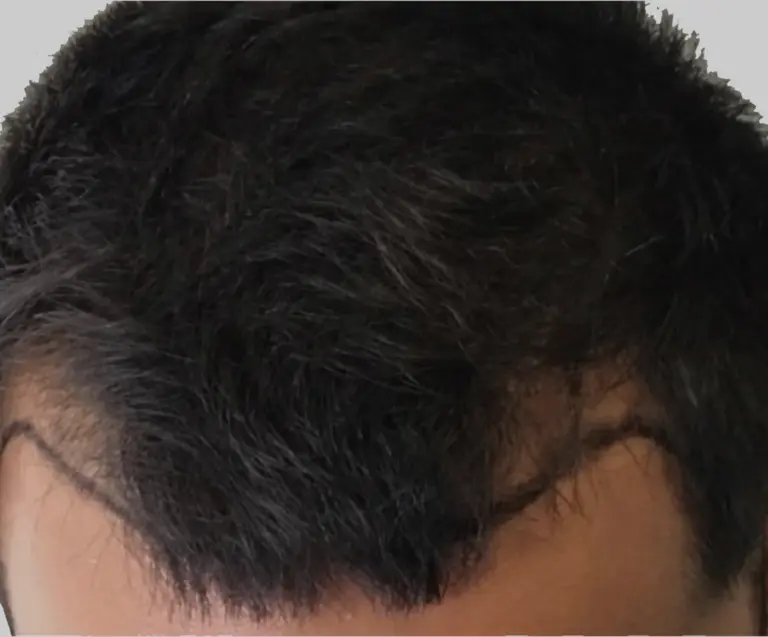
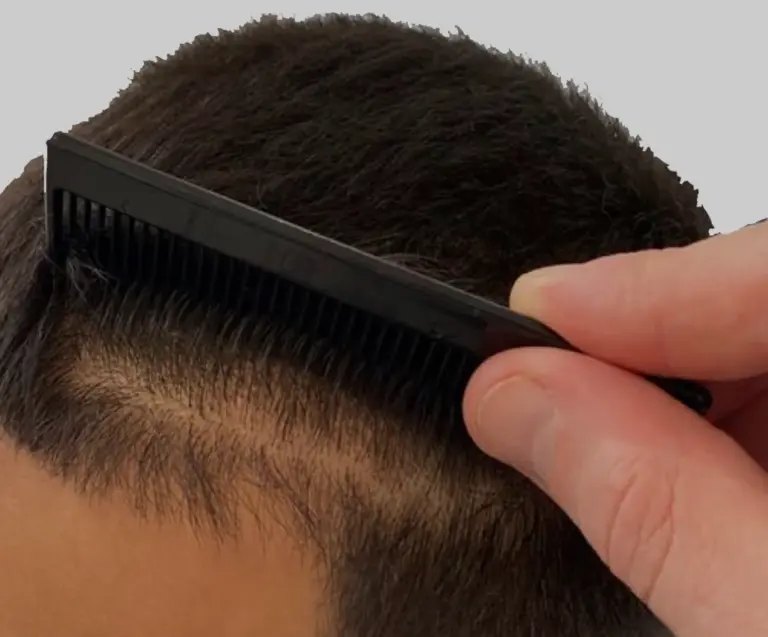
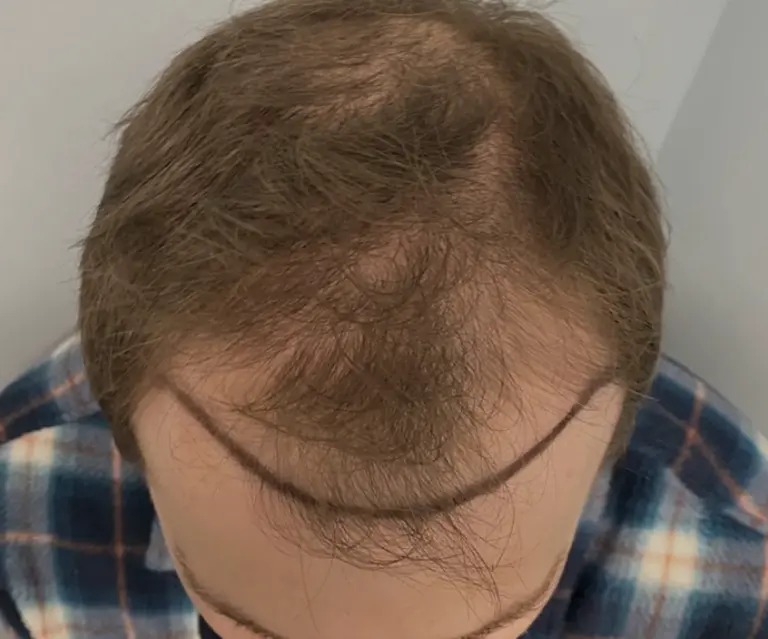
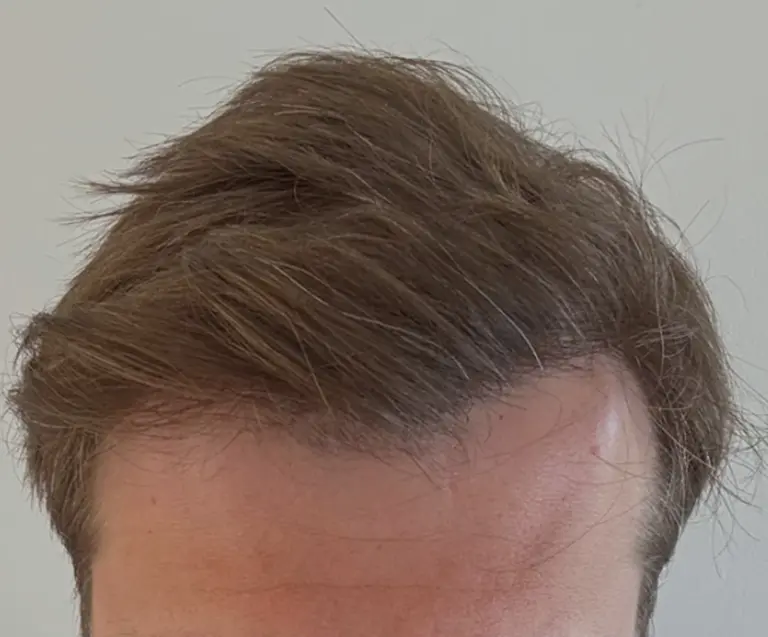
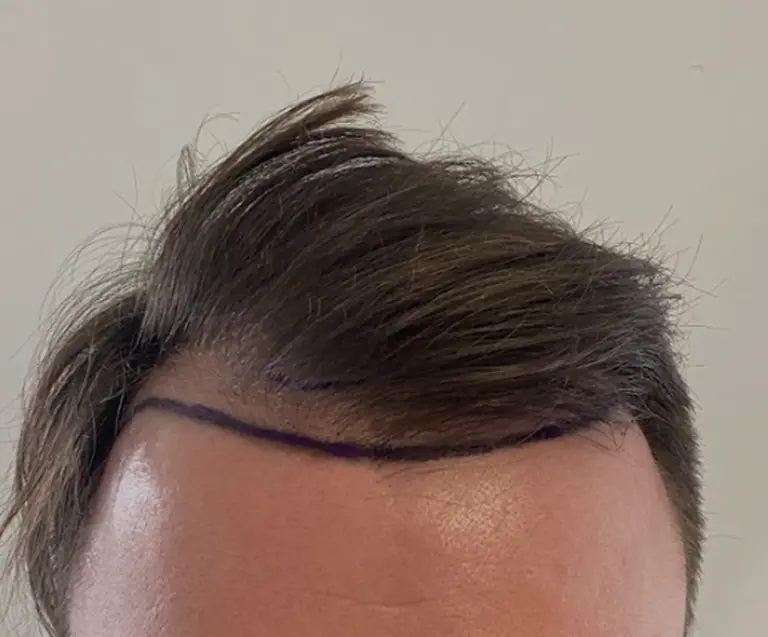
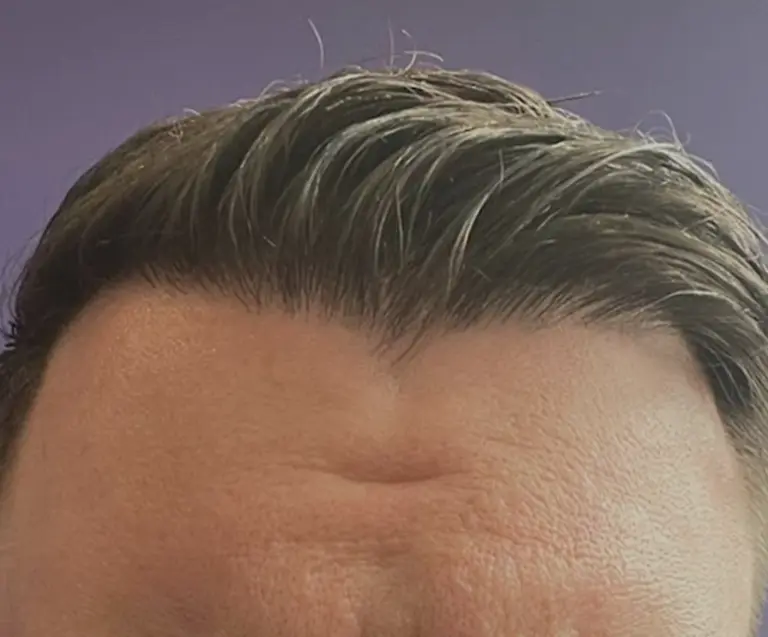
Hair plays an essential role in self-image and confidence. At Berkeley, we understand that hair loss in women can be distressing, both emotionally and aesthetically. Our female hair transplant options are discreet, bespoke, and designed to restore natural volume and density without compromising your current hairstyle.
Are you a Suitable Candidate?
Female pattern hair loss (diffuse thinning, widening parting)
Precise, minimally invasive, and ideal for smaller areas or patients seeking minimal scarring.
FUT (Follicular Unit Transplantation)
Often recommended for more extensive restoration, this technique allows for a larger number of grafts in a single session.
For patients concerned about shaving, we also provide Unshaven FUE (UFUE) allowing us to maintain your existing hair length throughout the process.
What to Expect
Consultation
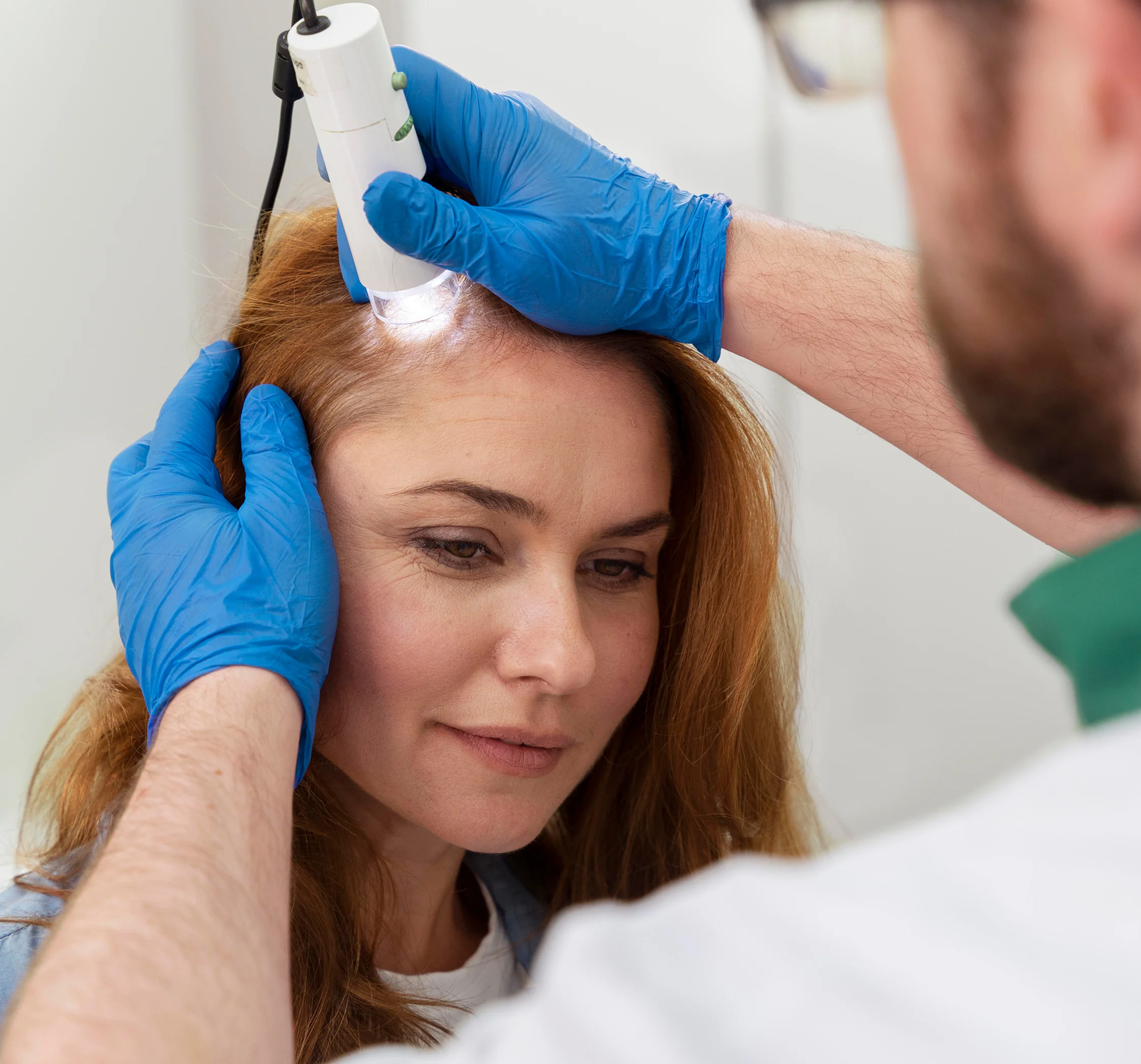
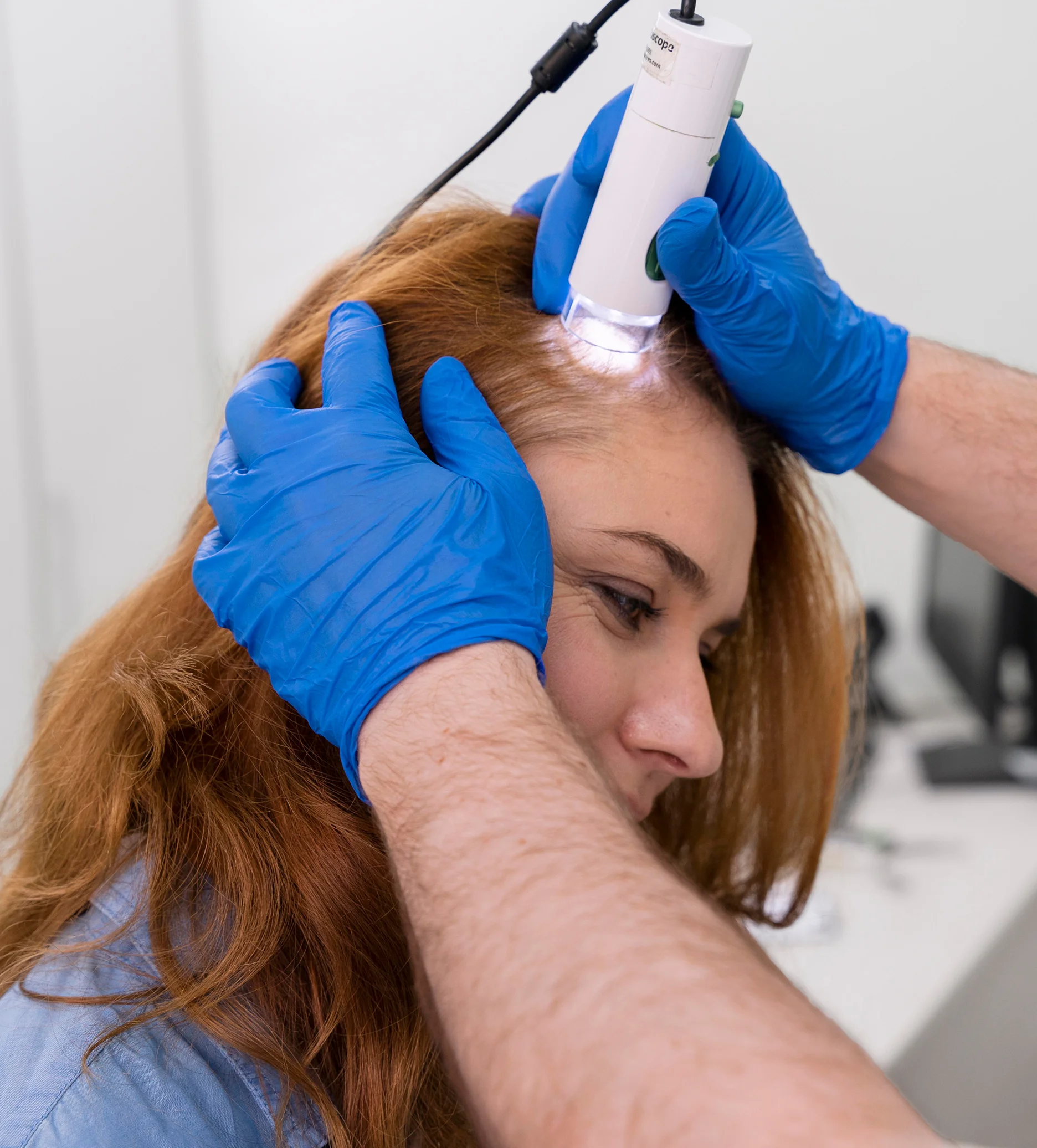
In-depth assessment and hairline design by our specialists.
Procedure
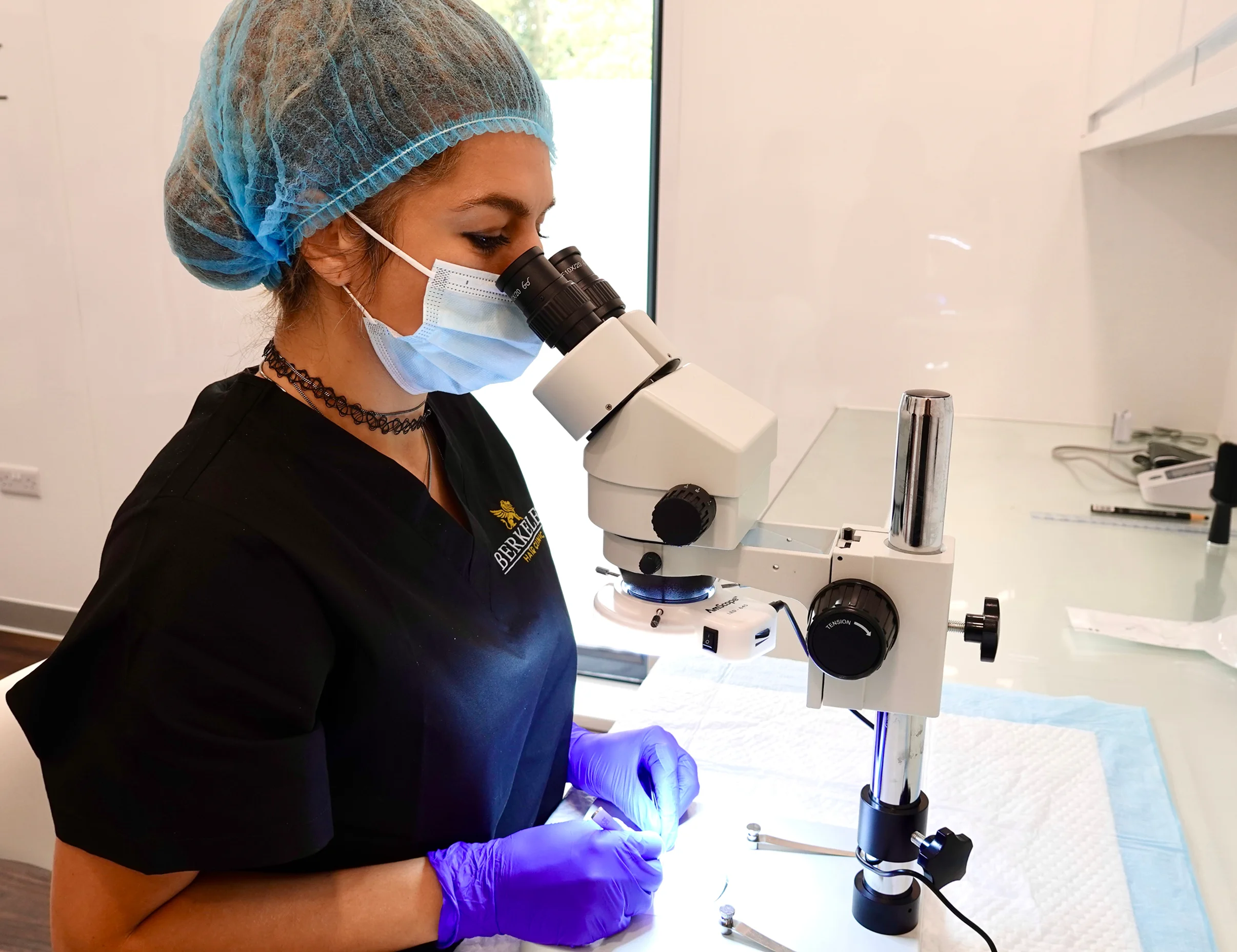
6–8-hour surgery under local anaesthetic.
Recovery
5–10 days of downtime; return to normal routine within 2 weeks.
Growth Timeline
Initial regrowth by 3–4 months, full results in 12–18 months.
Aftercare & Support
We are known for our personalised patient support. From the moment your procedure begins, you will be given the following:
Personalised aftercare kit with medicated shampoo and sprays
Step-by-step recovery guidance
Ongoing follow-ups with our dedicated patient care team
Access to our post-op line
Our team has successfully restored natural-looking density in hundreds of women; whether it’s subtle thickening, frontal hairline refinement, or transformative volume. All procedures are led by GMC-registered surgeons with a deep understanding of female aesthetics.
Pricing
Female hair transplant procedures at Berkeley Hair Clinic start from £3,800, with final costs depending on the number of grafts required and the technique used. A detailed quote will be provided during your consultation.
Schedule your consultation with our female hair restoration experts today.
Frequently Asked Questions About Female Hair Transplants
Can women have hair transplants?
Yes, hair transplants are a safe and effective option for women suffering from focal hair loss, thinning, temple recession, or overall density loss. At Berkeley Hair Clinic, we offer personalised treatments tailored to the unique patterns and causes of female hair loss.
What are the main causes of hair loss in women?
Female hair loss can be caused by genetics (female pattern baldness), hormonal changes (e.g., post-pregnancy or menopause), thyroid conditions, stress, iron deficiency, traction from hairstyles, or underlying pathology. Our team at Berkeley Hair Clinic will carry out a thorough assessment to determine the most suitable treatment.
What is the difference between FUE and FUT for women?
• FUE (Follicular Unit Extraction): Ideal for women needing smaller graft numbers or concerned about linear scarring. It involves extracting individual follicles using a micro-punch, with no visible scar. At Berkeley Hair Clinic, we often use partially shaven or unshaven FUE to maintain discretion.
• FUT (Follicular Unit Transplantation): Preferred for patients requiring a larger graft count. A thin strip of scalp is removed from the donor area (usually hidden under long hair), allowing more grafts to be harvested in a single session. Your surgeon at Berkeley Hair Clinic will help you decide which method is best for your goals and hair type.
What is density improvement and how does it help?
Some women don’t experience complete baldness but have diffuse thinning, particularly along the central parting or crown. At Berkeley Hair Clinic, we use precise placement of grafts to increase volume and reduce visible scalp exposure without altering your natural hairline.
What is female hairline reconstruction?
For women experiencing temporal recession or uneven frontal hairlines, we offer hairline reconstruction to restore a natural, feminine contour. This involves carefully placing grafts along the hairline using either FUE or FUT, depending on your needs. At Berkeley Hair Clinic, our surgeons design hairlines that complement your face shape and age, while preserving density and donor area integrity.
Will I need to shave my head?
Not necessarily. Most female patients do not need a full head shave. At Berkeley Hair Clinic, we offer: • No-shave FUE, where only small donor patches are shaved and hidden under longer hair • FUT, where the donor strip is removed discreetly under existing hair This allows most women to maintain their hairstyle and discretion post-surgery.
What’s the downtime for female transplants?
• Initial recovery: 5–7 days • Return to social/work activities: Often within 3–4 days • Visible regrowth begins: 3–4 months • Full results: 12–18 months Berkeley Hair Clinic provides detailed aftercare instructions and in-person reviews at 6 and 12 months, alongside our industry leading individual specialist advisor who is your personal guide throughout your experience with us.
Can I combine a transplant with other treatments?
Yes, many women at Berkeley Hair Clinic benefit from a combined approach, including: • Minoxidil (topical) • PRP therapy • Low-Level Laser Therapy (LLLT) • Nutritional support and supplementation This holistic approach enhances both native hair retention and transplanted hair growth.
What if my hair loss is still progressing?
Hair loss in women is often progressive, so our surgeons and specialists at Berkeley Hair Clinic plan treatments strategically, ensuring donor preservation for future use. Hair transplants never have an influence on progression of native hair loss, so we may advise relevant medical therapies to help longevity of your results.
Our specialists
Dr Kieran Dayah
Medical Director
Dr Peter Thomas
Hair Transplant Surgeon
Dr Pavlos Afisidis
Clinic Manager
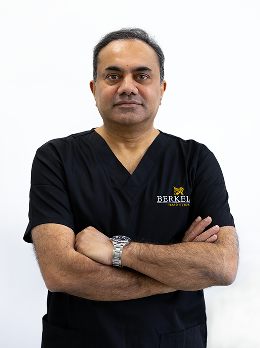
Dr Ganesh Krishnan
Hair Transplant Surgeon
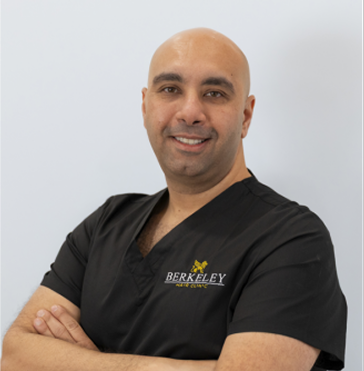
Dr Aziz Elgindi
Leeds Leed Surgeon
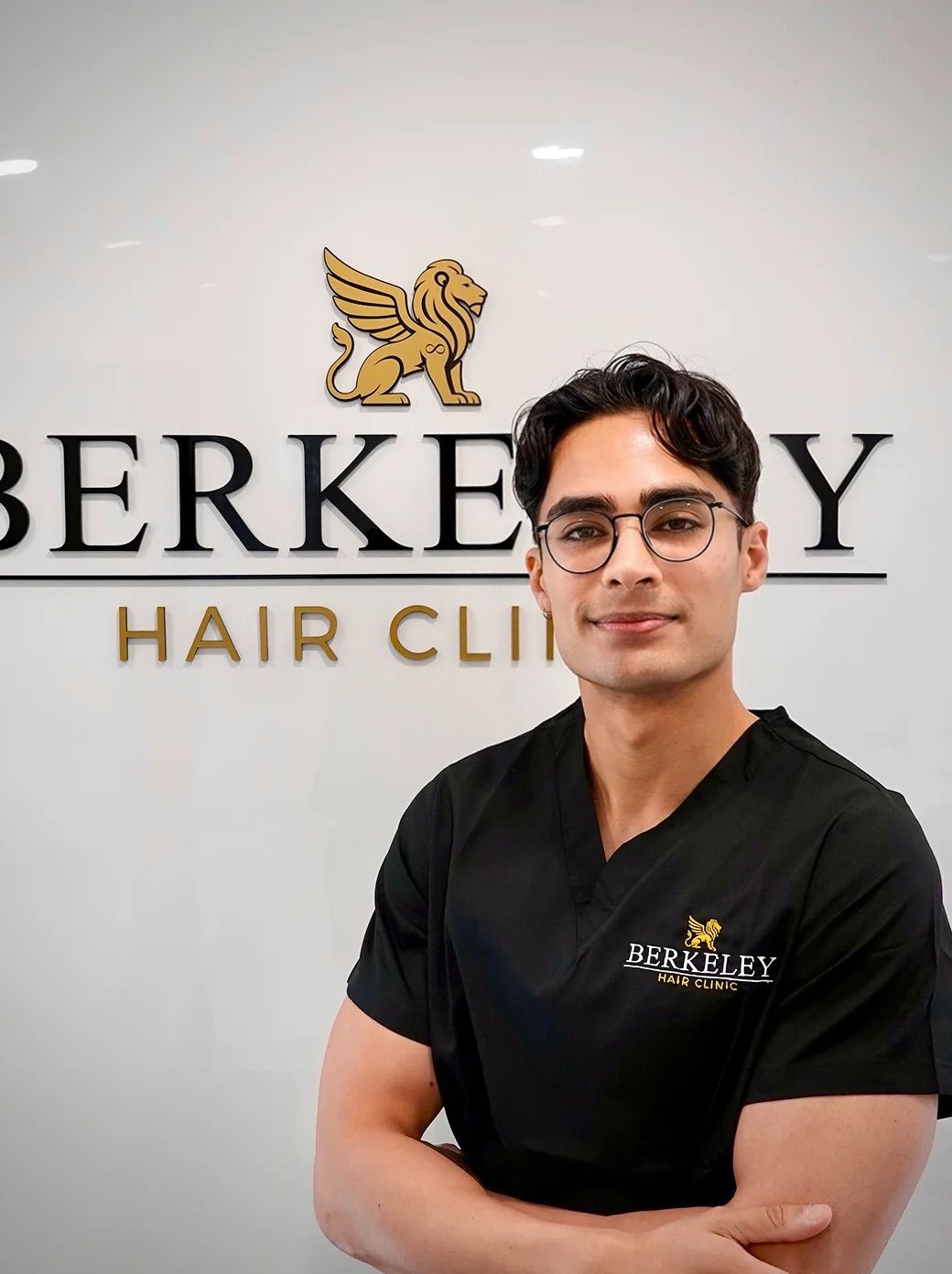
Dr Zayn Khalid
Hair Transplant Surgeon
Caj Shusee
Operations Manager
Holly Butler
Clinical Consultant
Deanna Jenna
Clinical Consultant
Sean Din
Clinical Consultant
Maria Laleva
Senior Hair Transplant technician
Philip Court
Senior Hair Transplant technician
Dr Kieran Dayah
Medical Director
Dr Richard Rogers
Lead London Surgeon
Dr Pavlos Afisidis
Clinic Manager
Dr Ganesh Krishnan
Hair Transplant Surgeon
Dr Aziz Elgindi
Leeds Leed Surgeon
Dr Zayn Khalid
Hair Transplant Surgeon
Caj Shusee
Operations Manager
Holly Butler
Clinical Consultant
Deanna Jenna
Clinical Consultant
Sean Din
Clinical Consultant
Maria Laleva
Senior Hair Transplant technician
Philip Court
Senior Hair Transplant technician
Hair Transplant Cost
At Berkeley Hair Clinic, we understand that every hair transplant journey is unique. While the average cost of a hair transplant in the UK typically ranges from £4,000 to £10,000, pricing can vary depending on your individual needs, the complexity of the procedure, and the number of grafts required.
No two patients are the same and neither are their treatment plans. Factors such as hair loss pattern, donor area quality, and desired density all influence the final cost.
Unlike many clinics that charge high fees for standardised care, Berkeley Hair Clinic offers expert-led, bespoke hair restoration treatments at competitive prices, ensuring you receive exceptional value without compromising on quality. For us, your best result is our top priority and we’re with you every step of the way.
“At Berkeley Hair Clinic, hair restoration is not just a procedure, it’s an art form, a commitment and a responsibility. We have built our name on precision, discretion and consistent world class results.
For every client who walks through our doors we aim to exceed expectations. From the initial consultation to the final result, we uphold the highest standards of medical care and surgical excellence.
Berkeley Hair Clinic was not built to follow, it was built to define. We will never aim to be the biggest, but we are committed to being the best. If you are looking to see what is possible for your hair concern, or if you are considering a hair transplant, I invite you to come to see one of our experienced specialists. I learnt from my many years In the industry that a hair transplant undertaken correctly is an investment that can last a lifetime.”
Dr Kieran Dayah – Medical Director
A Word from Our London Lead Surgeon
“I have dedicated the last 29 years of my career on Harley Street to advancing the art and science of FUE hair transplantation. Having been the first surgeon in the UK to perform FUE, I have witnessed the entire evolution of modern hair restoration, from its early experimental phase to the refined, precision-driven techniques we adopt today.
What has always mattered to me is excellence: meticulous surgery, natural results, and a commitment to doing what is right for every patient. That is why I am proud to lead the surgical team at Berkeley Hair Clinic. This is a clinic built on quality, integrity, and reputation, a place where the highest standards are not the exception, but the default.
Together, we are raising the benchmark for what patients should expect from world-class hair restoration.”
What a truly wonderful team at Berkeley Hair Clinic. From the very first consultation, I felt comfortable and reassured. Choosing the right clinic was a long and painstaking journey for me, I attended multiple consultations at various places to be absolutely certain about my decision. Looking back, I’m so glad I trusted Berkeley, the level of care, professionalism, and genuine support I received made all the difference.
By Dominic Rogers
Rated 4.9/5
I’m truly grateful to Dr Dayah and the entire team for the incredible care I received during my hair transplant. I was anxious before the procedure and worriedabout the injections, but the surgery went smoothly and I felt completely at ease throughout. Thank you
By Jordan Spencer
Rated 4.9/5
I had my transplant done today at the Derby clinic today. For all those that are worried about the pain, I can confirm that the procedure is not as painful as what it seems online! My advisor Deanna has been a pillar of support throughout this whole process and I can’t wait to see the full results over the next year!
By Nicole McQueen
Rated 4.9/5
My experience from initial consultations with Caj through to treatment was absolutely excellent. I’ve had a fantastic outcome and would 100% recommend Berkeley to anyone looking for first class treatment and aftercare in the UK. Don’t take the risk of going elsewhere or overseas for treatment. The service and certainty you get here is invaluable.
By Harry Woods
Rated 4.9/5
My experience with the Dr and the team, supported by Deanna and Holly, has been excellent from start to finish. Deanna, in particular, was absolutely outstanding, she went above and beyond to make the whole process smooth and reassuring. She was approachable, kind, and consistently supportive, always taking the time to explain things clearly and ensure I felt both comfortable and confident every step of the way. Her professionalism combined with her caring nature made a real difference to my experience, and I can’t thank her enough for the reassurance and positivity she brought throughout.
By Hardeep Randhawa
Rated 4.9/5
Exception client service. Ultra Natural result
Exception client service. Ultra Natural result
Exception client service. Ultra Natural result
Exception client service. Ultra Natural result
Exception client service. Ultra Natural result
Exception client service. Ultra Natural result
Exception client service. Ultra Natural result
Exception client service. Ultra Natural result
Exception client service. Ultra Natural result
Exception client service. Ultra Natural result
Exception client service. Ultra Natural result
Exception client service. Ultra Natural result
Advancing restorative technologies
FUE techniques
Advancing restorative technologies
FUE techniques
Advancing restorative technologies
FUE techniques
Advancing restorative technologies
FUE techniques
Advancing restorative technologies
FUE techniques
Advancing restorative technologies
FUE techniques
Senior Hair Transplant technician
Maria
Maria has been in the hair transplant industry for 15 years and has the responsibility of ensuring we have the best possible results while adhering to the highest safety standards.
Clinical Consultant
Deanna Jenna
Deanna has over 5 years of experience in hair restorations, having been the clinic manager of a renowned clinic in Sydney, Australia, and now serves as one of our senior clinical consultants. Deanna has a background in pharmaceuticals, being a professional Pharmacist, having undertaken her Master of Pharmacy degree in Birmingham. This training brings her a deep understanding of scalp health, hair loss treatments and surgical restoration options, and this extensive knowledge and experience enables her to guide her patients through every step of their journey with confidence and medical understanding. Known for her detailed consultations and evidence based advice, Deanna combines medical insight with personalised patient centred care. She is dedicated to helping individuals make informed decisions and achieve natural, long lasting results in their hair restoration goals.