

Understanding Hair Transplants
Hair transplants are surgical procedures that involve moving hair from one area of the body—most commonly the back or sides of the scalp—to areas affected by hair loss. They are often considered a long-term solution for individuals experiencing male or female pattern baldness.
While hair transplants are surgical, there are also non-surgical treatments available that can help manage hair thinning and male pattern baldness safely and effectively, without the need for an operation.
How Effective Are Hair Transplants?
Hair transplants are widely regarded as an effective solution for many types of hair loss. The procedure involves removing healthy hair follicles from a donor area—typically the back or sides of the scalp—and transplanting them to areas experiencing thinning or balding.
Hair transplant surgery is more invasive than other hair loss treatments, such as:
-
DHT-blocking medications
-
Steroid creams or injections
-
Specialised shampoos
-
Light therapy
-
Wigs or hairpieces
-
Scalp tattooing
Success Rates
The effectiveness of hair transplants can vary depending on the technique and the source of the hair. Some clinics report success rates of 95–98% for procedures like follicular unit transplantation (FUT). Research suggests that the survival rate of transplanted hair grafts can exceed 90%.
However, results can differ: between 10% and 80% of transplanted hair may fully grow back within four months, depending on the donor site. Hair taken from the scalp generally achieves the best results, while hair from other areas, such as the beard, tends to have a lower success rate.
Who Is a Hair Transplant Suitable For?
Hair transplant surgery is not appropriate for everyone. It is most commonly used to treat patterned hair loss, including:
-
Male pattern baldness
-
Androgenic alopecia
-
Female pattern hair loss
This type of procedure is typically recommended for individuals who are naturally losing hair, experiencing thinning, or have lost hair due to an injury. It is designed to restore hair growth in affected areas and improve overall hair density.
Hair Transplant Costs in the UK
The cost of a hair transplant in the UK can vary widely, depending on factors such as the severity of hair loss, the type of procedure, and the clinic’s reputation. On average, a transplant involving around 2,000 grafts can cost approximately £6,000, though prices can range anywhere from £1,000 to £30,000.
Factors That Influence Cost
Several key factors can affect the price of a hair transplant:
-
Extent of hair loss: Larger areas require more grafts and time.
-
Location of hair loss: Certain areas of the scalp may be more complex to treat.
-
Clinic and surgeon reputation: Highly experienced specialists may charge more for their expertise.
Understanding How Hair Transplants Work
Hair transplants are typically performed under local anaesthetic with sedation. This means you remain awake during the procedure but do not feel pain. In some cases, general anaesthesia may be used for extensive procedures, but most transplants avoid the added risks and longer recovery associated with it.
There are two main types of hair transplant procedures: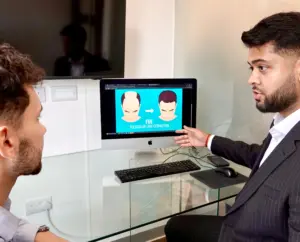
Follicular Unit Transplantation (FUT)
Also known as the strip method, FUT involves removing a strip of skin and hair from the back of the scalp. This strip is then divided into individual follicular units, usually 1 mm wide, each containing 1 to 4 hairs. These grafts are placed into small cuts on the scalp, and the donor area is closed with stitches.
After healing, FUT leaves a small linear scar at the donor site. While it is usually concealed by surrounding hair, it may be visible if you wear very short hairstyles.
Follicular Unit Extraction (FUE)
FUE is a non-invasive method often preferred by those who want short hairstyles or have smaller areas of hair loss. The back of the head is shaved, and individual hair follicles are removed one by one using a punch device that avoids damaging the scalp.
These follicles are then transplanted into tiny incisions in the recipient area. Once healed, the transplanted area looks natural, and there is minimal visible scarring at the donor site.
Both FUT and FUE should be performed by a qualified dermatological surgeon in a clinical setting to ensure safety and optimal results.
Choosing the Right Hair Transplant Procedure
The most suitable hair transplant method depends on your personal preferences, lifestyle, and the area of hair loss.
When FUT Might Be the Best Option
Follicular Unit Transplantation (FUT) may be suitable if:
-
You do not want to shave your head for surgery
-
You plan to keep your hair longer after the procedure
-
You prefer a procedure that is generally quicker and less expensive than FUE
When FUE Might Be Preferable
Follicular Unit Extraction (FUE) may be the better choice if:
-
You want the option to wear your hair very short
-
You want a faster recovery time
-
You prefer minimal visible scarring
-
You wish to avoid stitches and their removal
-
You want to use body hair to increase density
-
You want to cover an existing scar from a previous FUT (strip) procedure
Ultimately, the best method should be discussed with a qualified hair transplant surgeon, who can advise based on your hair type, donor area, and desired results.
Potential Side Effects of Hair Transplants

Like any surgical procedure, hair transplants carry the risk of side effects. While not everyone experiences them, some possible effects include:
-
Pain or discomfort
-
Swelling of the scalp
-
Bleeding
-
Folliculitis (inflammation of hair follicles)
-
Itchiness
-
Allergic reactions
-
Hiccups (rarely reported)
-
Infection
-
Scarring
-
Temporary thinning of existing hair
Scarring After Hair Transplants
Both FUT and FUE procedures can result in scarring, though the type and visibility differ:
-
FUT (strip method): Typically leaves a linear scar at the donor site, which may be noticeable if you plan to wear very short hairstyles.
-
FUE: Leaves tiny, almost invisible scars at the graft sites once healed, making it preferable for those who want short hair.
With proper aftercare and a qualified surgeon, most side effects are temporary and manageable.
How Long Do Hair Transplants Last?
Hair transplants are generally considered a long-term solution for pattern baldness, but results can vary. Some people may require more than one procedure to achieve their desired hair density.
As you age, natural hair thinning may continue, and your surgeon should discuss this potential with you before surgery. There is also a small chance that some transplanted hair may not survive and could fall out.
A 2020 study of 112 patients who underwent FUT found that, after four years, 55.35% experienced a moderate reduction in transplanted hair density, while 8.92% saw no change.
Hair transplants are not suitable for everyone. They may be less effective for individuals with advanced hair loss or very thin donor hair. Additionally, while transplanted hair is often more permanent, the surrounding natural hair may continue to thin over time.
Will a Hair Transplant Look Natural?
Modern hair transplant techniques have advanced significantly, and with the right procedure, results can look very natural once fully healed. One of the biggest improvements has been the precision of the tools used during surgery.
Follicular Unit Extraction (FUE) is currently the most popular method, as it transplants individual hairs one at a time. This approach not only reduces scarring but also allows for a faster recovery and a more natural appearance.
Several factors influence how natural the results will look:
-
Quality of the procedure: Advanced techniques and careful placement of grafts make a big difference.
-
Experience of the surgeon: Skilled surgeons can replicate natural hair patterns and density.
For the best outcome, it’s essential to carefully research the clinic and surgeon performing your hair transplant.
When Is the Right Time for a Hair Transplant?
Hair transplants are available to adults over the age of 18, but many clinics recommend waiting until at least your late 20s or early 30s. Some suggest considering the procedure from age 25, depending on individual circumstances and hair loss patterns.
The reasoning behind this is that hair loss often stabilises around age 30, making it easier to predict the final pattern. Undergoing a transplant too early may lead to complications later, such as surrounding hair thinning or falling out, which can result in an unnatural appearance and may require additional procedures.
Consulting a Hair Transplant Specialist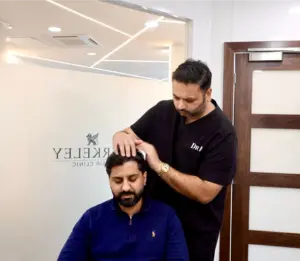
Before deciding on surgery, it’s important to speak with an experienced hair transplant surgeon. Research the clinic and surgical team thoroughly and choose one based on the surgeon’s expertise and track record. During your consultation, ask detailed questions to ensure you understand the procedure and expected results. Key questions might include:
-
Am I a suitable candidate for a hair transplant, and how many grafts will I need?
-
Do I have enough donor hair for the procedure?
-
What will the cost of the transplant be?
-
How long will the procedure take?
-
What will the expected results look like, and can I see before and after photos?
A thorough consultation helps ensure you make an informed decision and achieve the best possible outcome.
Are Hair Transplants Worth Considering?
Whether a hair transplant is the right choice depends on your individual situation. These surgical procedures can be costly, so it’s important to weigh the expense against your desired results. You should also consider your suitability for surgery and the underlying cause of your hair loss.
Some people may be too young for a transplant or may prefer not to undergo surgery. In these cases, non-surgical hair loss treatments can be effective alternatives.
Alternative Hair Loss Treatments
If a hair transplant isn’t suitable, there are several other options to manage hair loss:
-
Wigs or hairpieces – provide an immediate cosmetic solution
-
Scalp micropigmentation – creates the appearance of fuller hair
-
Topical treatments – such as minoxidil
-
Prescription tablets – such as finasteride
Common Non-Surgical Treatments
Minoxidil
Minoxidil is a topical treatment available in lotion or foam form, suitable for men and women experiencing thinning hair on the scalp. It works by improving blood flow to the hair follicles, supporting hair growth. Most users apply it for at least four months, and if no improvement is seen after six months, it may not be effective.
Caffeine Shampoos (e.g., Alpecin)
Caffeine-based shampoos are available over the counter and can help stimulate hair growth at the roots. They are suitable for men and women but are generally not intended for long-term use.
Finasteride / Propecia
Finasteride is a prescription-only tablet designed to treat male pattern baldness. It works by reducing levels of dihydrotestosterone (DHT), a hormone that contributes to hair follicle shrinkage. Propecia is the brand name for finasteride, while the generic version is usually more affordable. Both help slow hair loss and may stimulate new growth, but they are not suitable for women.
Summary
Hair transplants can provide long-term results for those with suitable hair loss patterns, but they are not the only option. Understanding your hair loss, age, and treatment preferences can help you choose between surgical and non-surgical solutions. Consulting a qualified specialist is essential to determine the best approach for your needs.