
Many people don’t realize how closely mental and emotional health is connected to hair health. For some, one of the first visible signs of stress, anxiety, or depression can be hair thinning or excessive shedding. While factors like hormones, genetics, and scalp conditions are well-known contributors to hair loss, psychological triggers often play a significant role.
Hair loss linked to mental health typically occurs when the body responds to prolonged stress or emotional strain. Conditions such as telogen effluvium, where hair prematurely enters the resting phase, or alopecia areata, an autoimmune response affecting hair follicles, can be triggered or worsened by anxiety and depression. Recognizing the connection between the mind and scalp is essential for understanding why hair loss occurs and how it can be addressed.
In this guide, we’ll explore how stress, anxiety, and depression can impact hair, what stress-related hair loss looks like, whether it can grow back, and the strategies available to support hair health. We’ll also touch on natural and holistic approaches, including lifestyle changes, dietary support, and non-invasive therapies such as platelet-rich plasma (PRP) that may help encourage regrowth and overall scalp wellness.
How Stress and Emotions Affect Your Scalp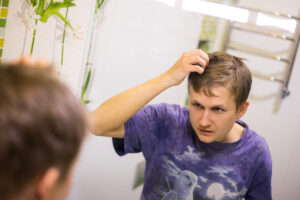
The link between emotional health and hair health is stronger than many realize. When someone experiences anxiety or depression, the body responds by releasing stress hormones such as cortisol and adrenaline, along with inflammatory mediators. These hormones can significantly impact the hair growth cycle, often accelerating hair loss or preventing regrowth.
Stress affects hair in several ways. It can constrict blood vessels that supply nutrients to the scalp, reducing the oxygen and nourishment available to hair follicles. Over time, this can weaken follicles and damage them, making hair thinner and more prone to shedding. Prolonged stress can also push hair prematurely from the growth phase (anagen) into the shedding phase (telogen), a process known as telogen effluvium, resulting in noticeable thinning or diffuse hair loss.
In addition to these effects, stress can cause inflammation of the scalp, which may further impair hair growth. In more severe cases, emotional strain and elevated stress hormones can even trigger autoimmune responses, where the body attacks hair follicles, leading to patchy bald spots or alopecia areata. Collectively, these processes manifest as visible thinning, increased shedding, receding hairlines, and in some instances, localized bald patches, underscoring the profound impact that mental and emotional well-being can have on scalp and hair health.
Understanding Stress-Related Hair Loss: How Anxiety Impacts Your Hair
One of the most common questions people ask is whether anxiety or stress can actually cause hair loss. The answer is a clear yes — scientific research has confirmed that emotional stress can directly affect the hair growth cycle and lead to noticeable shedding. Stress-related hair loss can take several forms, each with its own characteristics and timeline.
The most prevalent form of hair loss caused by stress is known as telogen effluvium (TE). In this condition, sudden or prolonged emotional stress pushes hair follicles into the resting, or shedding, phase earlier than usual. This can result in diffuse thinning across the scalp, heavy shedding in the shower or when brushing, and hair loss that often appears two to three months after a particularly stressful event. While distressing, this type of hair loss is usually temporary, and hair can regrow once the stress is managed.
Another form linked to psychological stress is alopecia areata (AA), an autoimmune condition where the body’s immune system mistakenly attacks hair follicles. In some cases, stress may act as a trigger or exacerbate the condition. Symptoms of alopecia areata include sudden, rounded bald patches, rapid hair fall, and a scalp that may feel smooth, itchy, or tender.
A third, less common type is trichotillomania, a psychological disorder where individuals compulsively pull out their own hair in response to anxiety, depression, or emotional tension. This repeated behavior can result in patchy bald spots, weakened hair, and long-term damage if not addressed.
Understanding these different types of stress-related hair loss is crucial for identifying the root cause and taking appropriate steps to manage both emotional health and hair health. By addressing stress and anxiety through lifestyle changes, therapy, and supportive hair care, it is possible to reduce shedding, promote regrowth, and protect overall scalp wellness.
The Link Between Depression and Hair Loss
 Many people struggling with depression wonder whether their mental health could be causing hair thinning or shedding. The answer is yes — depression can have a profound impact on hair health, both directly and indirectly. This type of hair loss is sometimes referred to as “depression-related hair fall,” highlighting the connection between emotional well-being and scalp health.
Depression affects hair through several mechanisms. Changes in brain chemistry, such as reduced serotonin levels, can influence scalp circulation and the health of hair follicles. Depression can also lead to nutritional deficiencies, as a loss of appetite or irregular eating habits may deprive hair of the essential vitamins and minerals it needs to grow strong. Additionally, elevated cortisol levels associated with prolonged depressive states can trigger inflammation of the follicles, further weakening hair and contributing to shedding.
Other lifestyle factors linked to depression can also disrupt the hair growth cycle. Poor sleep patterns, common in those experiencing depression, interfere with the natural regeneration of hair follicles, while weakened immunity may make the scalp more vulnerable to infections and damage. Combined, these effects can result in noticeable thinning, increased shedding, and overall compromised hair health. Recognizing this connection is important, as addressing mental health alongside hair care can help mitigate hair loss and support both emotional and physical well-being.
Recognizing the Signs of Stress-Related Hair Loss
Stress-related hair loss often develops gradually, but there are several key signs that can help you identify if your hair shedding is linked to emotional or mental strain. One of the most noticeable indicators is a sudden increase in hair shedding, particularly during washing, brushing, or styling. Hair may also appear thinner at the crown or temples, giving the impression of receding areas, and individual strands can become weaker and more prone to breakage.
Other common signs include changes in the scalp itself. Some people experience itchiness, inflammation, or flare-ups of dandruff, which can accompany or exacerbate hair thinning. In more severe cases, patchy bald spots may appear, particularly when stress or anxiety triggers conditions like alopecia areata. What makes stress-related hair loss distinct is that it often persists despite healthy eating, proper hair care, or the use of specialized shampoos, indicating that the root cause lies beyond surface-level care.
If you are experiencing emotional distress, trauma, or prolonged depression, it is common to notice these changes in your hair. Recognizing the connection between your mental state and hair health is the first step toward addressing the problem. By managing stress, supporting overall well-being, and taking care of your scalp, many people find that shedding decreases and hair gradually regains its strength and density.
Can Hair Loss from Anxiety Regrow?
One of the most common concerns for people experiencing stress-related hair loss is whether their hair will grow back. The good news is that in most cases, anxiety-related hair loss is reversible, provided that the underlying cause — chronic stress or emotional strain — is addressed effectively.
The extent and speed of recovery depend on several factors. How long the stress lasted, the severity of hair shedding, any nutritional or hormonal imbalances, and whether the hair follicles have sustained permanent damage all play a role in regrowth. When stress is managed and the body receives the necessary support, hair follicles can return to the active growth phase, allowing hair to gradually regrow.
Proper management typically involves a combination of strategies. Lifestyle modifications, such as stress reduction techniques, exercise, and adequate sleep, support overall well-being and help restore the hair growth cycle. Nutritional support ensures the scalp and follicles receive essential vitamins and minerals. Additionally, non-invasive therapies such as platelet-rich plasma (PRP) can help stimulate hair follicles, while holistic approaches may also provide benefits for some individuals. With consistent care and attention, many people notice gradual improvement in hair density and strength, even after months of stress-driven hair shedding.
Why Stress Can Cause Severe Hair Loss
Stress doesn’t just affect your mind — it can have a profound impact on your hair as well. One of the primary ways this happens is through stress hormones, particularly cortisol. Elevated cortisol levels can restrict blood flow to the scalp, depriving hair follicles of the oxygen and nutrients they need to grow, which can result in weakened follicles and increased shedding.
In addition to reducing blood flow, stress can slow down cell regeneration. Hair cells are among the fastest-dividing cells in the body, and prolonged stress can disrupt their development, slowing hair growth and contributing to thinning over time. Stress also weakens the immune system, making the scalp more susceptible to infections, dandruff, and conditions such as seborrheic dermatitis, which further compromise hair health.
Chronic stress can also create hormonal imbalances, affecting key hormones like estrogen, progesterone, and thyroid hormones, all of which play critical roles in hair growth. Beyond hormones, stress often impacts lifestyle factors that support healthy hair. Poor sleep can reduce hair repair, loss of appetite may lead to deficiencies in iron, zinc, and protein, and low mental energy can result in neglect of self-care routines, such as proper hair hygiene and nutrition. All of these factors combined can make stress-related hair loss more severe and persistent if not addressed.
Treatments for Stress-Related Hair Loss at Berkeley Hair Clinic
At Berkeley Hair Clinic, we take a comprehensive approach to managing stress- and anxiety-related hair loss, combining lifestyle strategies with advanced medical and surgical hair restoration options. Our goal is to address both the underlying causes and the visible effects of hair thinning, helping patients regain stronger, healthier hair.
Lifestyle and Natural Support
Managing stress-induced hair loss begins with daily habits that promote overall wellness. Ensuring 7-8 hours of quality sleep helps regulate cortisol levels, allowing hair follicles to repair and grow. Including anti-stress foods such as nuts, seeds, dark leafy greens, berries, bananas, and herbal teas provides essential nutrients that strengthen hair and reduce shedding.
Relaxation techniques are also key. Practices such as yoga, meditation, deep breathing, and journaling can reduce emotional stress and improve overall mental well-being. Gentle scalp care, including using mild shampoos, avoiding harsh chemicals, and performing a weekly oil massage, supports circulation and follicle health. While these measures are effective for many, persistent hair loss often requires targeted medical or surgical interventions for optimal results.
PRP Therapy for Stress-Induced Hair Thinning
Platelet-Rich Plasma (PRP) therapy is an advanced, non-surgical treatment that revitalizes weak or dormant hair follicles. It is particularly effective for:
-
Hair loss caused by chronic stress and cortisol damage
-
Patchy bald spots from conditions such as alopecia areata
-
Slow-growing or inactive follicles
The procedure involves drawing a small amount of blood, separating the platelet-rich plasma, and injecting it into the scalp. The growth factors in PRP stimulate follicle regeneration, repair damaged follicles, and promote new hair growth, resulting in thicker, stronger hair and a noticeable reduction in shedding. PRP is safe, natural, and drug-free, making it an ideal complement to other hair restoration strategies.
FUE and FUT Hair Transplants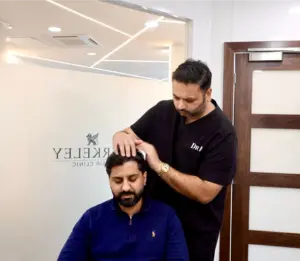
For patients with significant or permanent hair loss, surgical hair restoration is often the most effective solution. Berkeley Hair Clinic offers both FUE (Follicular Unit Extraction) and FUT (Follicular Unit Transplantation) hair transplant procedures:
-
FUE Hair Transplant: Individual hair follicles are extracted from the donor area and implanted into thinning or bald areas. This method leaves minimal scarring and allows for faster recovery.
-
FUT Hair Transplant: A strip of scalp is removed from the donor area, and follicles are carefully separated and transplanted. FUT is ideal for patients needing larger areas of restoration and provides a high yield of healthy follicles.
Both FUE and FUT procedures are designed to restore natural hair density, strengthen hairlines, and achieve long-lasting, aesthetically pleasing results. These surgical options are especially effective when combined with PRP therapy and lifestyle support, ensuring optimal follicle health and regrowth.
Why Choose Berkeley Hair Clinic
Berkeley Hair Clinic specializes in stress- and anxiety-related hair loss, offering a combination of advanced surgical techniques and non-invasive therapies:
-
Expertise in stress-induced and chronic hair loss
-
State-of-the-art PRP therapy
-
Advanced FUE and FUT hair transplant procedures
-
Personalized guidance on nutrition, lifestyle, and hair care
-
Ongoing monitoring with scalp analysis to track progress
Patients benefit from visible reduction in shedding, natural hair regrowth, and restored density, all while addressing the underlying stress-related factors contributing to hair loss. By combining emotional wellness, non-surgical therapies, and surgical restoration, Berkeley Hair Clinic provides a comprehensive and long-term solution for hair loss.