

One of the most common concerns for individuals considering hair transplant surgery is whether the procedure will be painful. Understandably, the idea of surgery involving numerous tiny punctures in the scalp can sound intimidating. However, modern hair transplants are performed using effective pain management techniques that make the experience much more comfortable than many expect.
Pain During the Procedure
Hair transplant surgery is done under local anaesthesia, which numbs the scalp and prevents pain throughout the operation. The most uncomfortable moment for many patients is the injection of the local anaesthetic itself—a brief, sharp sensation similar to a dental injection. After the anaesthetic takes effect, patients generally feel little to no pain during graft extraction and implantation; they may notice some pressure or tugging but no sharp pain.
Techniques to Minimize Discomfort
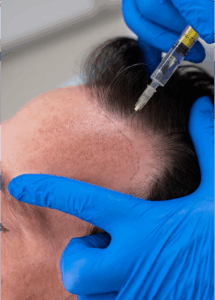
Practitioners use various methods to reduce pain, including warming and buffering the anaesthetic solution, applying numbing creams beforehand, using very fine needles and small syringes, and distraction techniques like tapping or vibration during injections. For those with anxiety or needle phobia, conscious sedation or even needle-free anesthesia options can help make the procedure more comfortable.
Recovery and Post-Operative Pain
Post-surgery discomfort typically peaks within the first day or two and is generally mild. The level of soreness or tightness depends on the technique used: follicular unit extraction (FUE) patients often report minimal discomfort, while follicular unit transplantation (FUT) patients may experience more noticeable soreness due to a larger donor wound and sutures. Pain and swelling usually subside quickly and can be managed effectively with over-the-counter pain relievers like ibuprofen or paracetamol.
Factors Influencing Pain
Individual pain experiences vary depending on factors such as age, gender, scalp characteristics, anxiety levels, medical history, and previous surgeries. Providers tailor pain management strategies to each patient’s needs to ensure the best possible comfort.
Pain Compared to Other Hair Loss Treatments
Hair transplant pain is generally comparable to other minimally invasive treatments like platelet-rich plasma (PRP) therapy, which also involve injections and may cause mild, temporary discomfort. Unlike some other treatments, hair transplants offer a permanent solution with long-lasting results after typically just one procedure.
Aftercare Tips to Reduce Pain
Patients are advised to follow post-operative instructions carefully, including taking recommended pain medications, keeping the head elevated, avoiding strenuous activity, and caring gently for the scalp. Relaxation techniques and avoiding smoking and alcohol can also support healing and reduce discomfort.
When to Seek Medical Advice
While some mild pain, redness, and itching are normal during recovery, excessive or worsening pain, signs of infection, or other unusual symptoms warrant prompt medical attention.
Summary
Thanks to advances in techniques and effective pain control measures, hair transplant surgery today is a largely comfortable procedure with manageable and temporary pain. Most patients find the experience less painful than anticipated and are satisfied with their restoration journey.