
Creatine is one of the most popular supplements for enhancing performance and building muscle. It helps muscles generate energy more quickly, supporting greater strength, power, and short bursts of speed. However, alongside these benefits, some people worry that creatine may contribute to hair loss.
In this article, we explore the connection between creatine and hair loss, examine the scientific evidence, and highlight other factors that can affect hair health. We also provide guidance on effective ways to address and manage hair thinning or loss.
Does Creatine Cause Hair Loss?
Despite some rumours, there is no established link between creatine and hair loss.
The misconception largely comes from a small 2009 study in which rugby players took creatine supplements for three weeks. Researchers observed a 50% increase in dihydrotestosterone (DHT) levels, a hormone derived from testosterone that has been associated with male pattern baldness. High DHT levels can affect hair follicles, causing them to shrink and potentially leading to thinning hair.
However, it’s important to note that this study does not prove creatine causes hair loss:
-
Small sample size: Only 20 participants were included, making the findings hard to generalise.
-
No direct hair assessment: The study measured hormone changes but did not track hair growth, thickness, or shedding.
-
Genetic factors: Male pattern baldness is primarily determined by genetics. Individuals with a predisposition may experience hair thinning regardless of creatine use.
-
Natural hormone fluctuations: DHT levels vary for many reasons, so a single study cannot establish a clear cause-and-effect relationship.
Overall, most evidence suggests that creatine supplementation does not directly contribute to hair loss.
What Are the Side Effects of Creatine?
Creatine is generally considered a safe and well-tolerated supplement that can enhance physical performance. While it does not cause hair loss, there are some potential side effects to be aware of:
-
Water Retention: Some people experience mild swelling when first starting creatine, as fluid builds up in the muscles. This is usually temporary and does not affect long-term body composition.
-
Weight Gain: Initial weight gain may occur due to water retention. Over time, creatine can also contribute to lean muscle growth, which may increase body weight in a healthy way.
-
Kidney Considerations: High doses of creatine, especially when combined with other supplements, could impact kidney function. Individuals with pre-existing kidney issues should avoid creatine or consult a doctor first.
-
Liver Considerations: Creatine may exacerbate existing liver conditions if taken in excessive amounts. Those with liver concerns should seek medical advice before supplementation.
Overall, most people experience minimal side effects when taking creatine at recommended doses. If you have any underlying health conditions or concerns, it’s best to consult a healthcare professional before starting supplementation.
Is Creatine Causing My Hair Loss?
If you’re taking creatine and noticing hair thinning, it’s unlikely that the supplement is the direct cause. While creatine may slightly influence DHT levels, hair loss is generally driven by genetics and other lifestyle factors.
Common contributors to hair changes include:
-
Increased self-scrutiny: Spending more time in the gym or checking your appearance in mirrors can make hair thinning more noticeable, even if it’s minor.
-
Calorie deficits: Restrictive diets or sudden weight loss can temporarily disrupt hair growth, leading to thinning.
-
Nutrient deficiencies: Lack of essential nutrients like protein, iron, vitamins, and fatty acids can affect hair strength and growth. Adjusting your diet or supplementing where needed can help.
-
Frequent washing: Daily showers, common among active individuals, may strip natural oils from the scalp, leaving hair dry or brittle.
-
Rapid lifestyle changes: Sudden increases in exercise or dramatic diet changes can temporarily impact hair health. Gradual adjustments tend to be easier on your hair and body overall.
In most cases, hair thinning while using creatine is more likely related to these factors rather than the supplement itself.
Do Other Performance Enhancers Cause Hair Loss?
If you’re using other performance-enhancing supplements, these could contribute to hair loss. Unlike creatine, androgenic anabolic steroids (AAS) and certain performance-enhancing drugs (PEDs) are linked to hair thinning.
These substances increase testosterone levels, which can accelerate hair loss. Research has shown that a proportion of gym-goers using AAS experience thinning hair, as steroid use shortens the hair follicle growth cycle, leading to weaker, finer strands.
Hair loss isn’t the only risk associated with AAS use. Other potential side effects include:
-
Changes in sexual function
-
Development of breast tissue in men (gynecomastia)
-
Acne and oily skin
-
Mood swings or increased aggression
If hair loss is a concern, it’s advisable to avoid anabolic steroids and certain PEDs. Creatine, on the other hand, is not a steroid, does not increase testosterone, and is generally considered a safer option for performance enhancement.
What Hair Loss Treatments Are Available?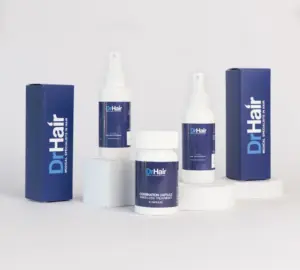
If you’re experiencing hair thinning or hair loss, several treatments can help slow, stop, or even reverse the process. Here’s an overview of the most common options:
Topical Treatments
Medicated solutions or foams containing minoxidil are applied directly to the scalp. They work by improving blood flow to hair follicles, helping to prolong the growth phase of the hair cycle. With consistent use, noticeable regrowth may appear after about three months.
Topical minoxidil is available for both men and women and can be purchased under brand names or as more affordable generic alternatives.
Oral Medications
There are also prescription oral treatments for hair loss, taken daily:
-
Minoxidil tablets: Contain the same active ingredient as topical solutions and can promote thicker, longer hair by increasing blood flow to follicles.
-
Finasteride: Blocks the conversion of testosterone into dihydrotestosterone (DHT), a hormone linked to hair thinning. By lowering DHT levels, finasteride can help slow hair loss and encourage regrowth.
Transform Your Hair with Berkeley Hair Clinic
Struggling with hair loss? At Berkeley Hair Clinic, our expert team offers personalised hair restoration solutions—both surgical and non-surgical—designed to deliver natural, long-lasting results. From FUE and FUT hair transplants to beard, eyebrow, and female hair restoration, we tailor every treatment to your unique needs.
With over a decade of experience and a reputation for precision and care, our specialists, led by Dr Kieran Dayah, guide you through every step of your hair restoration journey.
Book a free consultation today and take the first step toward regaining confidence with a fuller, natural-looking head of hair.